 Forming powerful teams to forge a sustainable future
Forming powerful teams to forge a sustainable future
Forming powerful teams to forge a sustainable future

Individually and as a team you can complete this quick questionnaire to assess your operating mode. Have you reach the resigned satisfaction level yet ? Read more

You run into your coworker in the hallway, and they don't seem to be doing very well. If you're a woman, you'll stop to strike up a conversation—and maybe more if needed—even if it means arriving late to your meeting. Read more

On my way home, I saw a hitchhiker. Should I stop? Beyond traffic safety, this split-second decision reflected the same issues I see every day in team coaching: trust. A simple model from Harvard Business Review* helps me make sense of it. It’s built on three pillars of trust: Logic, Authenticity, and Empathy. These are the filters I apply, whether on the road… or in a meeting. Read more

Stephane*a team leader shared with me that he notices something he can't quite name at first, happening in his team. People are showing up. The work is getting done. But something that used to be there — a certain quality of attention, a willingness to go slightly beyond what was asked — is quietly absent. Read more

Assessment is much more than a simple recruitment tool. It removes doubts, sheds light on needs and provides the decisive knowledge to make a key decision with confidence. The Bright Bee is fully aware that everyone makes a considerable investment during an assessment, so it's important that everyone involved receives a return in line with this commitment. Read more
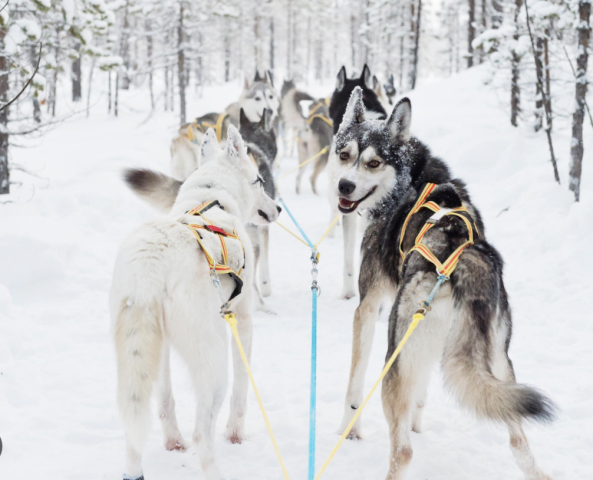
Building trust in a group takes time, constant effort and consistency. Without it, collaboration is difficult and the climate often unhealthy. So what does it take ? The weather is fine, the snow is there and the overexcited dogs are ready to go. The musher gives the signal and the team sets off. After a few hundred meters and a mistake by the inexperienced handler that could have cost the life of a member of the pack, the lead dog turns back. Confidence is gone. Read more

An assessment is a decision-making process which ensures that the profile of a candidate or an existing employee matches the needs of the company. Assessments avoid casting errors and make the recruitment process more secure. Read more

Starting in a role as Manager of a team, here are some simple steps to make your onboarding successful, explained in this article published by FastCompany. It 's all about listening to your team and showing that you did so. (photo Maxim Tolchinskiy - unsplash) Read more
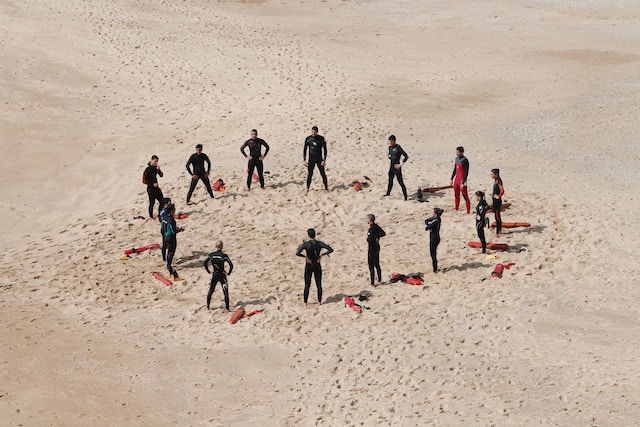
Why do we talk about rock bands and sports teams, and never the other way around? In both cases, it's made up of at least two people, who master a technique, practice and evolve together to achieve a goal. So what's the difference? (photo Margarida Csilva - Unsplash) Read more

21% of employees are truly motivated, according to a recent Gallup Institute study. But what about the vast majority? And what is motivation? Read more

Here is a little refrain that makes us smile and that easily comes to mind when we make a mistake. But if Britney Spears sings it loud and clear, many of us are much more discreet about our oopsies. Naturally, we prefer to keep them to ourselves, even though they often represent an real learning potential. Only in a psychologically safe environment will mistakes be shared. Read more
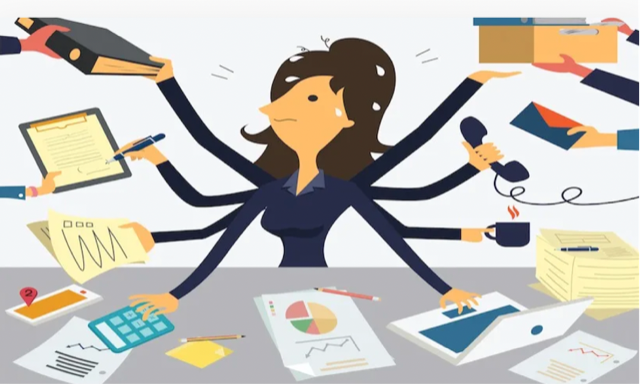
Who has never reviewed a document while on the phone? From managers to employees, we are not only overloaded; we often juggle with a multitude of tasks to the point of exhaustion. Read more
As we know, the world is changing. What is useful one day becomes obsolete, just as what is fashionable quickly becomes outdated. In our countries, everything is always faster, further, more efficiently,easier... for our pleasure. This pleasant sensation linked to the satisfaction of a desire, a material or mental need. Read more

At the end of the meeting, after 1 hour of discussion, the HIPPO (HIghest Paid Person's Opinion) emerges. She gives her opinion and all decisions are aligned to it. If it is the opinion of the highest paid person that takes precedence, why having a meeting at all? Beyond the waste of time, the biggest danger is to miss ideas, feedback and the opportunity to strengthen the teams' collective intelligence. Avoid this danger: practice psychological safety. Read more